Monday, November 26, 2012

Post-Thanksgiving/ Black Friday Musings

So what was it like, Black Friday, I asked a Target employee in electronics. Well-mannered crowds who thanked him for working on Thanksgiving. The popular items—iPads, iPods and phones. And yes, the shelves are socked today for those of you with some cash in your wallet. I’m not sure I envy these people, standing in line for hours or even days, but at least they have ideas! Our family tuned in to the Macy’s Parade, but this year we quickly tuned out—too many breaks to non-parade events (like singers), boring floats (can’t McDonalds do better than the clown—I'm partial to the fries and soda)—and some ho-hum announcers.
With major ongoing cleanup efforts from Sandy , couldn’t the media have cut away to some of the scenes— the more than 10,000 Thanksgiving meals served by Occupy Sandy and more than 26,000 by the city of New York to affected areas? The focus of what used to be Thanksgiving is now spending. According to media reports, 247-million shoppers (in-store and online) spent an average of $423 (for a total of $59.1 billion—those figures may be updated later this week). One economist predicted spending would subside—after all, so much was spent in this initial Thanksgiving-Black Friday weekend. For those of you with pocket change remaining, there’s always Powerball (with $425-million).
A lot of you have gotten shopping underway, but I am still seeking ideas. . . . .

Monday, November 19, 2012

Thumps in my attic, mice and cookies and wayward wildlife

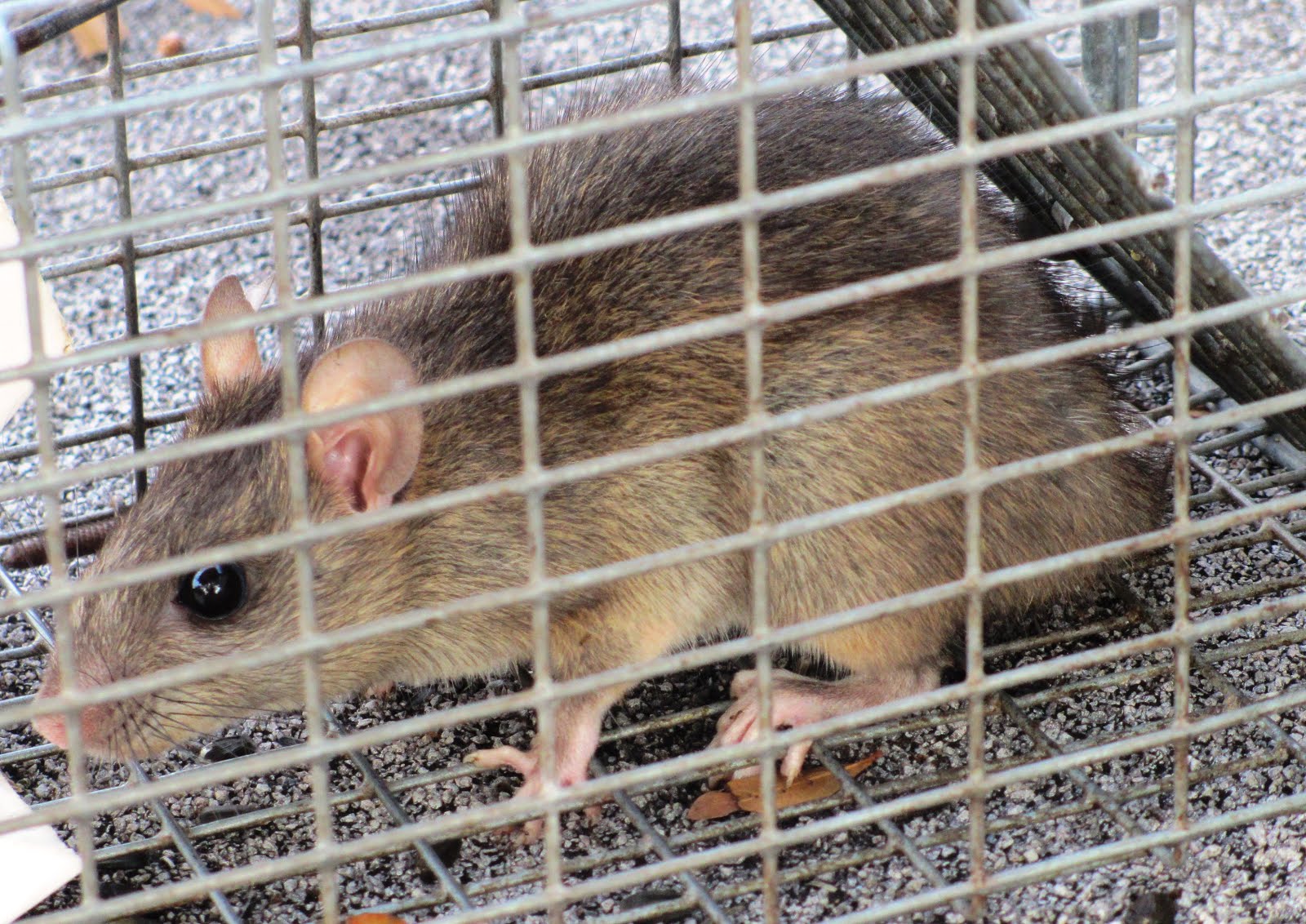
If you have read If You Give a Mouse a Cookie (Numeroff, 1985), you’ll remember the potential consequences of sharing a cookie with a mouse. You find yourself in a demanding relationship. . . . It started with occasional thumps in the attic, then evolved into what sounded like wild parties. Even my cats sat vigilant, watching the ceiling above my closet, as if something might fall through. A wildlife trapper left baited cages. And early the first morning, I saw a mouse had been caught. He was much too small to be the party animal. But still he had been caught and needed to be released quickly. A rooftop in the Florida sun is no place to be. Waiting for the trapper to return (eight hours later), I moved the mouse to the shade, gave him a name (Vito, nicknamed after a famous tango dancer) as well as some fruit to keep him hydrated. We were starting to bond. By noon, I moved the mouse down the ladder to a shaded brush area under a tree. By now, I have posted his picture on Facebook, and he’s getting lots of “likes.”
But he was wildlife and didn’t want to be caged. All those committees I served on monitoring the treatment of laboratory animals in a university made me question guidelines, concerning captured wildlife. By early afternoon, I had called numerous government agencies, each sending me elsewhere--county animal control, Fish and Wildlife Commission, Florida Department of Agriculture and within that agency, the Department of Entomology and Pest Control, which deals with rodents. My mouse, a rodent! I left a message, and to date, no one has responded. Finally, I called a friend at a school of veterinary medicine. We agreed--the most humane course would be to release the mouse to the nearby woods. The trapper arrived just as I was preparing the release mission. I plan to learn more about the guidelines for treatment of captured wildlife. My mouse was not demanding, but would he have been if we had started with a cookie?

Sunday, November 11, 2012

Lagoon Day--A Missed Opportunity?

MELBOURNE—Nov. 20, 2012--The name itself resounds with potential! The lagoon, which extends 156 miles, is home to the bottleneck dolphin and thousands of species of flora and fauna. Considered the most diverse estuary in North America, its health is critical to the water quality and the economy of many communities. I only learned of Lagoon Day from small signs I saw when biking. Online information included a listing in a community calendar and a press release from the St. Johns River Water Management District. Were these the only ways to promote the event?
When I went Saturday at noon, the non-profit workers and booths outnumbered the public. Most text-dense documentation focused on detailed information about the geographical features (such as Canaveral National Seashore), water pollution or flora and fauna. Even the talks were pretty specialized—algal blooms and sea grass, funding agencies, stormwater impact on the lagoon. An inflatable castle, face painting, a turtle hurdle game and some coloring books targeted the younger kids. Making an oyster mat or planted mangrove seedling (propagule) might have appealed to the older kids.
Non-profits have inadequate financial resources. They need to create specialized messages that address the local audience. They need to be able to provide hands-on activities that engage young, receptive audiences. Would it have been possible to bring in a boat? Show water testing? Have a large-scale model of runoff from lawns into the water? Show the impact of chemicals on wildlife? A Lagoon Day needs to be as almost as much fun (and more educational) as a trip to see Santa at the mall or a Halloween street party. Maybe we can work together for a Lagoon Day, 2013. . . .

Monday, November 5, 2012

Aftermath of the storm and eve of the election

In the aftermath of Hurricane Sandy, communities continue to deal with lives lost, property damaged, power outages, transportation system shutdowns, insurance claims and cold weather. . . . Now, some areas are working to provide alternate voting sites and still deal with the cleanup.
What is encouraging in the midst of the storm and the too-frequent verbal snipes in an election campaign is that across the nation, approximately 35 percent of voters took advantage of the early voting (and some had to wait in line for hours). Although the New York City marathon was canceled, many runners have volunteered to help in the relief efforts.
The 2008 presidential election had a 61.6 percent voter turnout, according to FactCheck.org. Let’s hope for record turnouts and quick relief efforts for the victims of the storm, all of whom are in our thoughts. On another note, has anyone calculated the adverse environmental impact of these campaign signs?

Monday, October 29, 2012

All Eyes on Hurricane Sandy

Area known as "dog beach" in Melbourne, Fla., on Oct. 27. Sandy was still a tropical storm. These past few days, the media have taken a break from election coverage to talk about Hurricane Sandy. It skirted the coast of Florida over the weekend, remaining off shore but causing beach erosion. Now, a much stronger storm is heading for the New Jersey coastline. Storm surges, flooding and wind will impact large areas of the Northeast. Residents in endangered zones have been told to evacuate. Schools, offices and Atlantic City casinos have closed. Flights have been canceled and mass transit routes closed.
Atlantic City boardwalk in summer months. For residents of Melbourne (Fla.), memories haven’t faded of the 2004 season in which two storms hit the area. Power did not return for 10 days in most places. Buildings suffered extensive damage. Blue tarps remained on some roofs for a year or more. A lot of businesses never reopened. In the last month, many of us Floridians received a notice from Citizens Insurance (the government-created insurance of “last resort”), saying that unless we take action before Nov. 6, our homeowner policies will be shifted to other companies. Change like this is rarely a good sign.
Although our coasts are heavily populated, we have advanced warning systems. Think back to the Great Hurricane of Miami of 1926 that killed more than 373 people and injured approximately 6,00 and left thousands homeless. Those people had only a few hours’ notice. They assumed when the eye had passed, the storm had moved on. It hadn’t. In the aftermath, state officials and newspapers, fearful of losing investment and tourist dollars, downplayed the disaster (which slowed relief efforts) and talked instead about new construction. It’s 3 p.m., the storm has picked up speed. I have had Facebook reports of flooding since last night. I’m keeping updated via the Internet, news reports and TV. We hope for the safety of residents and a speedy recovery process.

Sunday, October 21, 2012

2012 Presidential Debate--Talk v. Actions

The media coverage of the debate makes it sound like voters will base their decision on a 90-minute televised match. That is, on rhetoric/ talk rather than actions. In the aftermath, a lot of the media coverage of the second debate reads like a sports story--a play-by-play account with a few quotes or sound bites then comments about ratings or polls or candidate performance. Covering the real story, which involves examinations of previous administrations, requires some serious fact checking and historical research, something many members of the media seem loathe to do. Maybe their corporate sponsors fear flak. . . . But still, some media (both US and foreign) provided in-depth analyses. And reader forums pointed to things to keep in mind: the positive contributions of the Obama administration in terms of health care, military exit strategies, Wall Street reforms, tax reductions and job creation. . . . positive contributions in the face of the "legacy" left by previous administrations. Here are just a few of the rights voters should strive to protect: - to an education (which should not be based on ability to pay tuition but on ability) - to affordable healthcare - to taxation based on income/assets rather than ability to find loopholes. BTW, taxes are not bad. Education, a clean environment, security, arts and culture, mass transit and jobs/ training are among the things that have to be financed. - to civil rights and equality. . . . --to a clean environment (safe water, protection of natural resources, educational outreach) At this point in the campaign process, many of us are tiring of street corners and airways dominated by political ads, which present one side of issues. The value of televised debates--that candidates can challenge vague assertions. Given that Americans are pretty much a sports-oriented group, maybe we should continue to cover politics, using this approach. And maybe voters should think more about talk v. actions. Would any university hire a football coach based on promises or on his past performance?

Monday, October 15, 2012

La revanche de l’esprit fonctionnaire—The Revenge of the French Civil Servant

In an earlier post, I observed that French bureaucrats were becoming nicer, more humane in their treatment of clients. A recent experience with the sous-prefecture has shown otherwise. Government offices keep odd hours, and the sous-prefecture is no exception. It is open only in the mornings. A long line of people extend beyond the door, down the stairs and on to the sidewalk. We went to change car titles to our name. Two of the cars needed repair, but the potential buyers wanted them anyway. We have our paperasse (paperwork). Photo ids. Copy of bills from the electric and phone companies to prove residency. Copy of the estate paperwork along with the Livret de Famille. Permission (procuration) from the other owner (with copies of a photo id), enabling us to change the name on the title. Simple enough? At this particular sous-prefecture, a receptionist-gatekeeper determines whether you are allowed to take a number for an appointment. --How did you lose so many car titles? --We didn't. It’s an estate. . . . --But this estate lists three heirs . . . --But we have a procuration from the other person. . . . She shuffles papers on her desk. --What? These cars need to pass the contrĂ´le technique (technical inspection) before you change the name on the title! --But they don’t need to pass that inspection. We just need to change the name on the title. --I don’t have time! NEXT! A friend , Cathy L., later commented, “It’s like asking for a health certificate after the person has died." Needless to say, we will have to return. . . .