Monday, July 30, 2012
Musings - 2012 Olympics
It’s a good thing I am not involved in planning and organizing the Olympics because I would be worried about the $15-billion plus price tag, given the original $3.9-billion estimate and the recession.
Have we lost sight of the earlier purpose of the Olympics with the pomp and circumstance of today’s ceremonies? Even the Cannes Film Festival has been substituting wine for champagne and pissaladière for fois gras. . . .
An excellent article by Michael Joseph Gross in the June 2012 Vanity Fair retraces London’s campaign for the bid to host the Olympics.
Findings of studies that opposed the bid pointed out with the exception of Barcelona, Olympic cities have not enjoyed post-game economic returns. And London would have to renounce social works projects to focus on game preparations. Not to mention the quirks in agreements—Heineken paid for exclusive rights to sell beer (hence no beer from the UK).
But the dealings and controversies surrounding the Olympics shouldn’t detract from recognition of participants who devoted years of their lives to training. . . .
1948 – 4,104 athletes from 59 nations (~$1.17 million)
2012 – more than 10,000 athletes from ~ 205 countries ($15-billion+)
And pissaladière is a good alternative anyway. . . .
Here's an update on training costs:
Sunday, July 22, 2012
So Many Saints, so little time on the Cote d'Azur
I got caught up in a procession last July when walking to the port to look at ocean-going yachts. Barefoot sailors in white and blue shirts carried a statue of a saint and followed a group of bagpipe players.
In the festival of Saint Peter, patron saint of fishermen, a procession winds throughout the old city of Antibes and ends up near a port where a wreath is throw to sea in honor of those who have lost their lives.
But I had missed a similar festival, that of Notre Dame (Our Lady) de Bon Port, in which the Virgin is taken from the Chapel of La Garoupe, known for its ex-votos and 10th-century nave, and also paraded by barefoot sailors.
The French have amped up summer festivities—patron saints, gastronomy or flowers—to appeal to tourists.
I met up with my sailors later in the morning. They had deposited their saint and now were complaining about sore feet and . . . bagpipe music.
I am sure we can find a patron saint to remedy these ills.
Sunday, July 15, 2012
Too Much Information and Way too Many Words . . . Jane Tolbert Muses about US road signs
With today’s focus on concise writing (and text messages and tweets, which force us to abbreviations and emoticons), our US road signs continue to have a prolix style.
Take a look at this sign in East Sandwich (beach):
Just across the street, another sign: beach sticker and parking times and dog details. In contrast, a sign at a port on the Cap d'Antibes conveys a significant amount of information.
Although Europe has been using pictograms since the late 1960s, and the US talked about it, our signs continue to carry too much information.
One writer for Slate pointed out that most road users are English speakers. But 62-million tourists visited the US in 2011, according to the Department of Commerce. In South Florida, the main language seems to be Spanish.
Are these signs with TMI more costly? Do they lead to more accidents as drivers crane their heads to read as they whizz by?
Or do people actually read these signs? An article in a Cape Cod publication said no one noticed a misspelled road sign (Masphee instead of Mashpee).
But maybe the argument about TMI would get you out of a parking ticket. Has anyone tried?
Monday, July 9, 2012
Is my glass half full? And what is full anyway?
We were at a restaurant the other night, ordering a glass of wine and hoping we would not get a huge glass with a tiny taste of pinot grigio at the bottom. Is it an illusion--the large glass with less or the small glass with more?
The standard glass of wine in the United States is 5 ounces (125 ml.) as shown in the photo. But what I had not considered was that a full glass (6 ounces, close to 177.4 ml.) contains a lot more alcohol.
That lack of standardized measures can give you more than a serious buzz.
An article in a UK publication points to the dangers of using household teaspoons to dose medicines. A dose is based on a 5-milliliter teaspoon, but household teaspoons range from 2.5 to 7.3 milliliters.
Tablespoons have the same problem--the lack of standardization (contents range anywhere from 7 to 15 ml). What an impact on recipes, coffee and diets!
It's more than a problem of U.S. measures versus metric. It's that our measuring tools are not standard.
Now about that glass of wine? Was it really 5 ounces? It looked more like 4. . . .
Monday, July 2, 2012
A Surprise or How we (non-gamblers) ended up in Atlantic City . . .
I have always avoided cities where the main entertainment is gambling, where most visitors remain sequestered in dark, chilled rooms, working their machines with the blinking lights and carnival sounds. But the exception--a wedding shower for my son and his fiancée was to be held in Atlantic City.
My daughter and I were invited but not expected, given that we live “out of town,” in Florida and France. But my daughter started thinking. What if we made a surprise visit?
We told no one of our plans except the mother and sister of the bride-to-be. We arrived for an informal brunch, disguised in floppy hats and big sunglasses. It was a surprise.
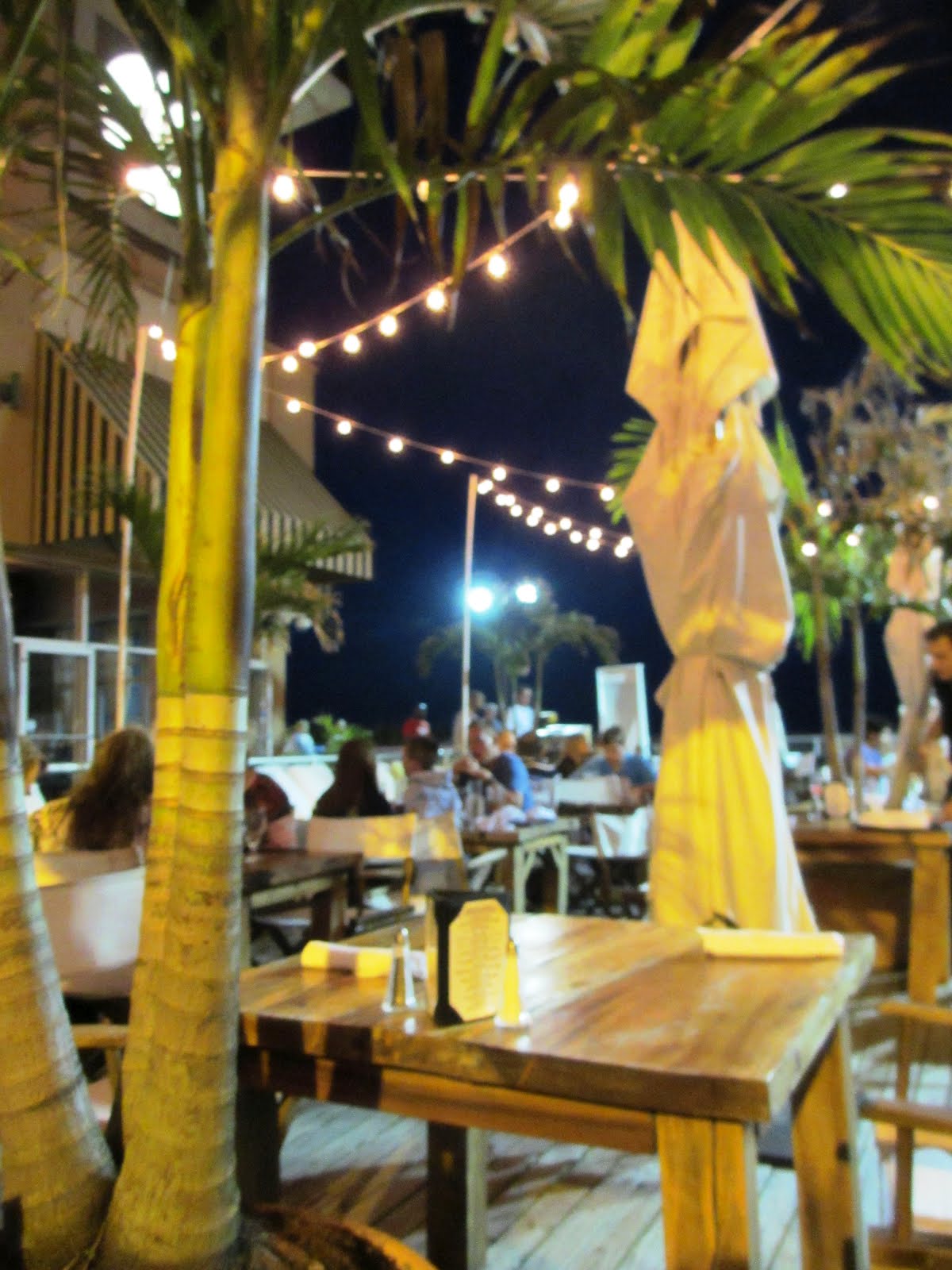
We had some surprises with the city itself. We had expected loud music on the boardwalk and waves of tourists. We didn’t expect hustlers (always with a proposition), exorbitant fees of ATM machines and lack of grocery stores . . . combined to wear us down. But we found respite in quiet evenings at Bungalow’s, a Mediterranean restaurant with a large outdoor terrace and tango music in the background and in beaches at the south end of the boardwalk.
Our last day in Atlantic City should have been with family and friends at the wedding shower. But a series of thunderstorms with high winds (known as a derecho) charged through the Mid-Atlantic states early Saturday morning, leaving much of the area (with the exception of the casinos) without electricity. Needless to say, the wedding shower had to be postponed, and many people are still without electricity.
If you go--
- Atlantic Club Casino Hotel – nice rooms and good rates (if you use Hotels.com or Expedia) at the south end of the boardwalk. Easy parking. Best to go during a weekday.
- Bungalow’s restaurant—corner of the boardwalk and California Avenue. Also numerous fast-food and high-end restaurants (in casino hotels) line the boardwalk.
- Jitney transportation (along Pacific Avenue, to casino hotels, marina and Tanger Outlet mall). $2.50
- A nature reprieve – wetlands and marshes near Cape May in the south and the Forsythe National Wildlife Refuge just north.
- Other – Going south—Margate has luxury beach homes and Lucy the Elephant. Wildwood, a beachside resort with boardwalk has the amusement park rides, fast-food and souvenir stores as well as restaurants, Wawa grocery stores, liquor/wine stores, and ATM machines.
- Travel –Direct flights from Orlando and other cities (some cities have direct flights only in the summer). Philadelphia International Airport is an easy drive (about an hour).
Subscribe to:
Comments (Atom)