Monday, October 31, 2011

A Lazy Sunday in Juan-les-Pins

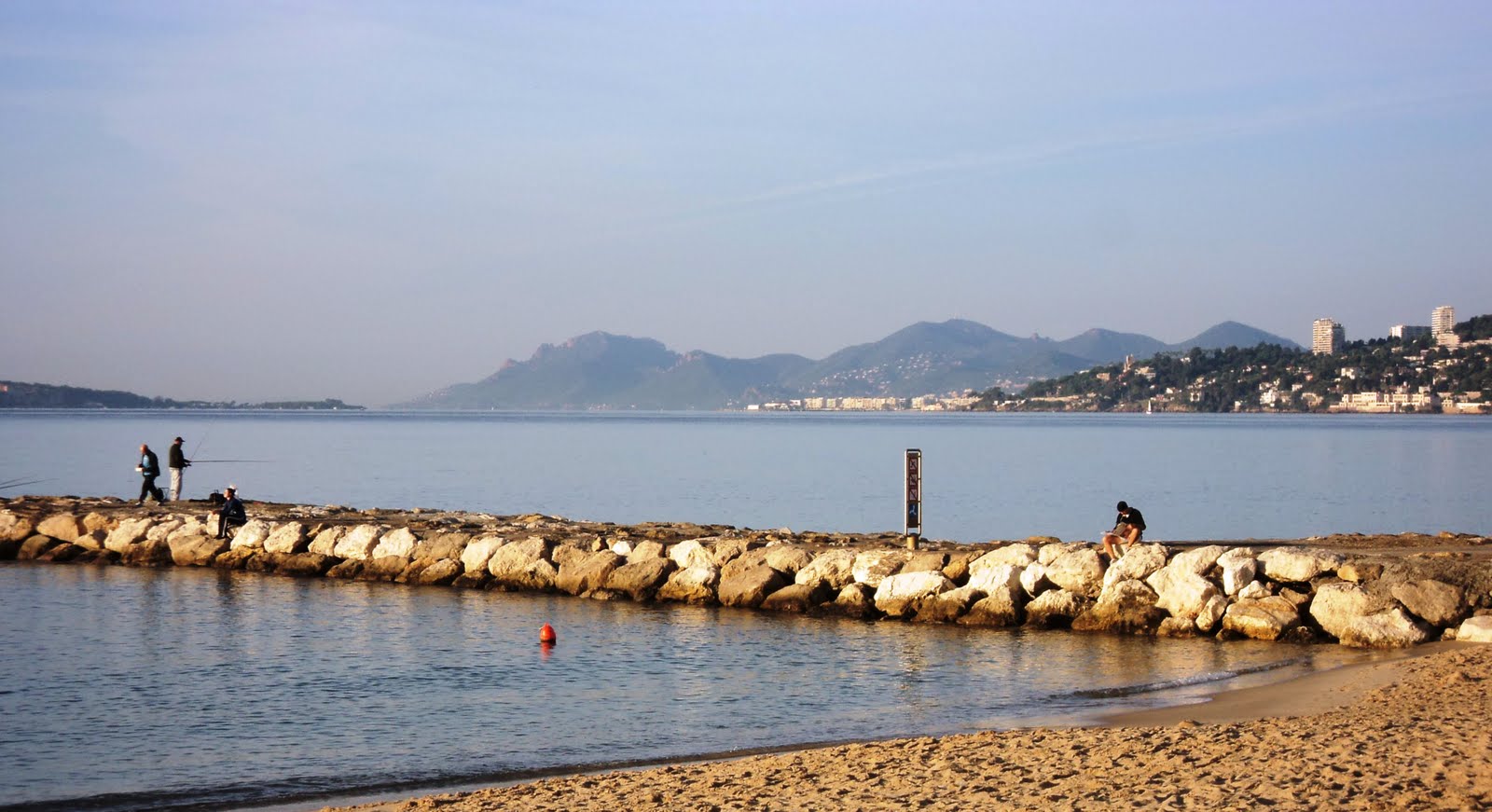
The summer tourists have left Juan-les-Pins, but beautiful weather has kept crowds coming to this beachside resort.


I have returned to work on a family project. And Sunday evening I went by the Crystal, my favorite cafe, to have a kir and watch people.

My day started early--around 8 a.m. with a 20-minute walk from Juan-les-Pins along the N-7 to the old Antibes market, which presents a unique sensory experience. Colors and smells of flowers, spices and olives, sausages, fish, meats and cheese, wines as well as small packets of Provencal herbs and lavender.


Chrysanthemums are put on tombs for All Saints' Day (Nov. 1), which is a holiday. I always run in the absinthe store and a few small boutiques.


I leave the market, wander narrow streets and then follow the ramparts where cars and cyclists whiz by.

The Plage de la Salis is one of my favorite beaches because of the view--the old city of Antibes with the alps in the background and parasol pines of the Cape d'Antibes.


Cyclists continue along the Cap d'Antibes, but I take the Chemin des Sables, which cuts across the Cape, to Juan-les-Pins. It's nearly 10:30 a.m. and I need to run by a grocery store for the things I did not want to carry on my walk. Stores are open only Sunday morning and then reopen on Monday.

Everything has been within walking distance.

There's always something special about a lazy Sunday with no real schedule.


On another note, I am sure the people in Cannes preparing for the G-20 Summit, would have loved a lazy Sunday. . . .

Monday, October 24, 2011

Trees for all (French) seasons


Trees bordering the road from Opio to Valbonne (April)


Trees near Pre-du-Lac (Grasse region, November)

The French had a great idea—tree-lined roads to shade travelers, mark property lines and provide guideposts. I thought this innovation dated from the time of Napoleon. But apparently, Henri II signed an edict in 1522. He was ahead of his time.


But with urbanization, increasing traffic and larger cars, I'm not how long these scenes will remain.

Town squares often have sycamore, with scaled, spotted bark. They are trimmed in January, and for months their branches look gnarled and arthritic until the leaves return in late spring.


Magagnosc, just east of Grasse, overlooks the Mediterreanean

The French Riviera, with its micro-climates, has palms and citrus inland as far as Grasse. Although the region looks very tropical, the temperatures may drop below freezing in winter nights, and the bone-chilling Mistral wind whips through the area. But clothes dry quickly on outdoor lines. . . . Unless they have blown away.


The Fragonard Museum, which contains works by artist Jean-Honoré Fragonard, is in the old city.


An older residence in Vallauris, a region made famous by Picasso, with citrus and palms.


Parasol pines provide a canopy of shade over the boules area, overlooking the Mediterranean

The unique trees make the region. And I may take up boules just to have an excuse to spend my days under these parasol pines.

Saturday, October 15, 2011

Taking Olives to the Mill. . . .


An olive tree in front of a mas (farmhouse) near Grasse, France

The season to harvest olives and take them to the mill is nearing. It's something I always planned to do. After all, we lived on a parcel of land with more than 40 olive trees. Two majestic trees stood in front of the house, and the top windows looked right into those silver-gray leaves.


We hired a gardener to help us revive the trees. He wanted to cut back those two majestic trees, claiming it would enable us to harvest olives. We refused.


On small plots of land bordering winding roads between Valbonne, Opio and Grasse, plastic nets are spread on the ground to catch the small, dark olives as they fall. Most friends cured the olives in brine. For those who had the quantity of olives needed to be pressed to oil, the mill generally took a percentage of the oil as payment.

I always planned to gather olives and take them to the mill. But I never had the quantity needed (not to mention the nets or time). Now, more than 20 years have passed. . . . I no longer have 40 olive trees but a small olive tree growing in a pot.


The vendor thought the tree would produce in the next four years. . . .Certainly not enough for a bottle of oil but maybe a few olives I could serve guests.

Monday, October 10, 2011

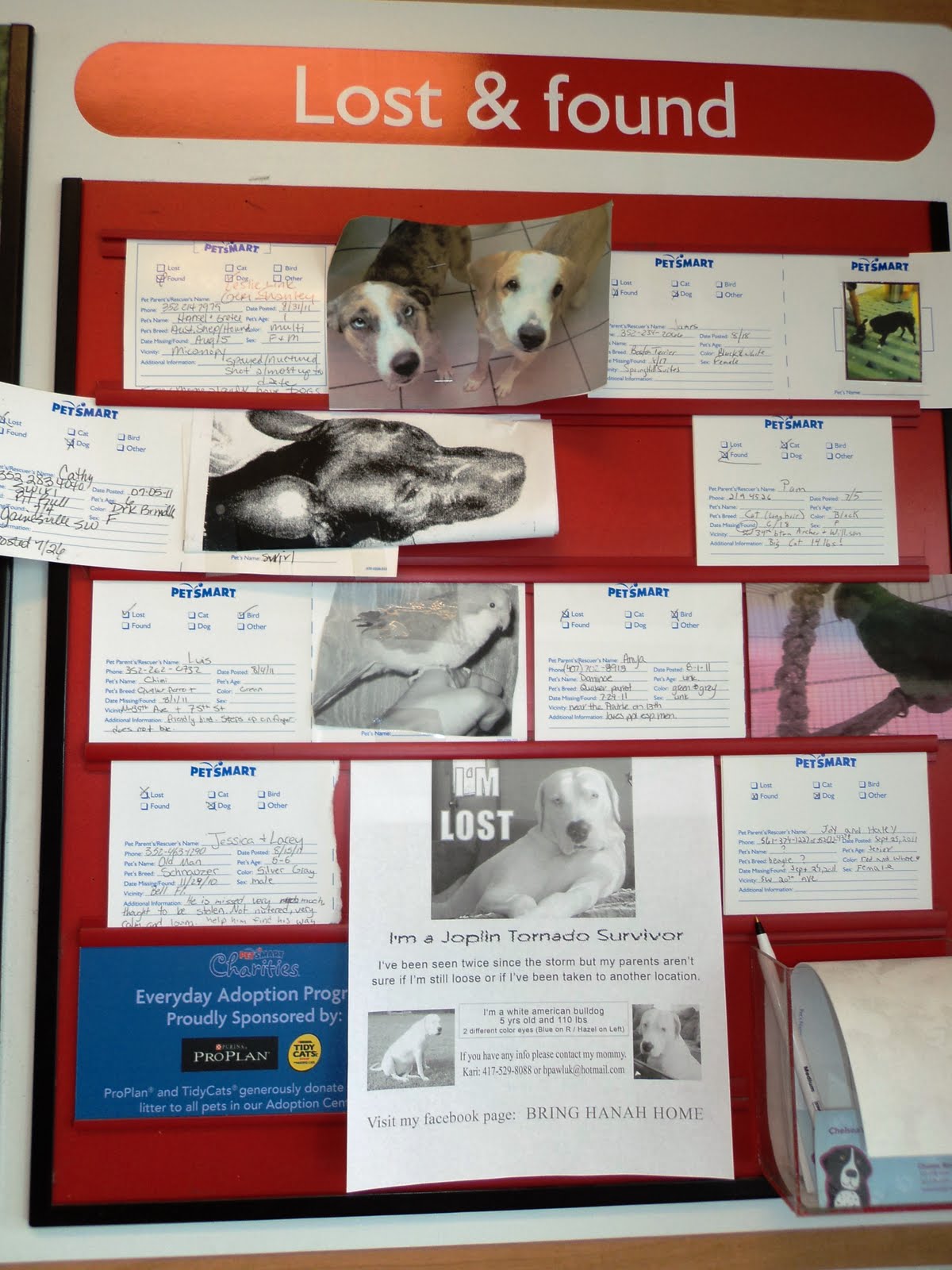
Lost! Last seen at. . . .


My dog Pink became a member of the household when she was 2. She had a few bad habits—getting lost, fearing hunting guns and eating pastry. Actually, that’s why her former owner gave her to me.

We didn’t hunt and didn’t cater, and I had a fenced yard, but she managed to wander off. My new neighbors called, “We have your dog. Is she dangerous?” Humm, “Only if you have pastry.”


My sister’s greyhound left her fenced yard and tracked my sister to the voting precinct and was later found near the law school. Another neighbor moved across town, but Buster the Cat didn’t want to move. By the time he made his fifth trek across town (4.5 miles) to return to his former haunts, his owners agreed--Buster was happier in his old neighborhood where he now lives.


Some lost pets like Sassafras the beagle receive national attention (at least, his story was carried in the Washington Post). Others are featured on utility poles. In my Duck Pond neighborhood, there’s Annebell, a white Maltese, and Jack, a happy-looking, black dog, and an assortment of cats. . . . They are still lost.


Many of our pets have tattoos or microchips, or at the very least, tags with a current address. But not always. I found a greyhound wandering a beachside community after a 2004 hurricane. The dog had tags from a North Carolina shelter. The local police and vet helped me locate the owner. Apparently, Rico was a repeat offender.


Our pets are always happy to return home. But they don’t say much about their adventures.

BTW—if you happen to see Annebell or Jack, please tell them their owners are worried.

Monday, October 3, 2011

A Tip--How to Move into an Office, or Make Room for the Singing Hamster


We all know to make our demands before we sign the contract for a new job. A private office. A window. A computer with two monitors. Those demands were met. But I should have made one additional request--empty shelves and cleared floor space.

When I was a teaching assistant in graduate school, we handed out hard copies of syllabi and made transparencies for the overhead projector. We entered the classroom with a sagging briefcase, overflowing with papers and worn books. I could identify with the ghost of Jacob Marley, Scrooge’s business associate, condemned to carrying chains wherever he went.

Nowdays, we carry a wealth of information (presentations, articles, music, photos) on our USB keys. I don’t even have a briefcase.

When I moved to my current office in 2010, I had few books, a handful of memory sticks, three coffee cups (you never know) and a singing hamster (a gift from my kids).


The former office resident, now retired, left me a career’s worth of slide carousels, an overhead projector and transparencies, file cabinets crammed with articles and manuscripts and course syllabi. Because office space is tight, and I could use some shelf space, my supervisor asked the retired professor to please move or discard his materials.

One day, he dropped by, glanced about. Obviously, horrified at the walls of slide carousels , specialized dictionaries and yellowing course outlines, he only grabbed a framed photo of his wife and has not been seen since.


Who can blame him! So my tip--before you sign the contract, request an empty office to make room for the singing hamster. . .

What are your tips for moving into a new office or taking a job?