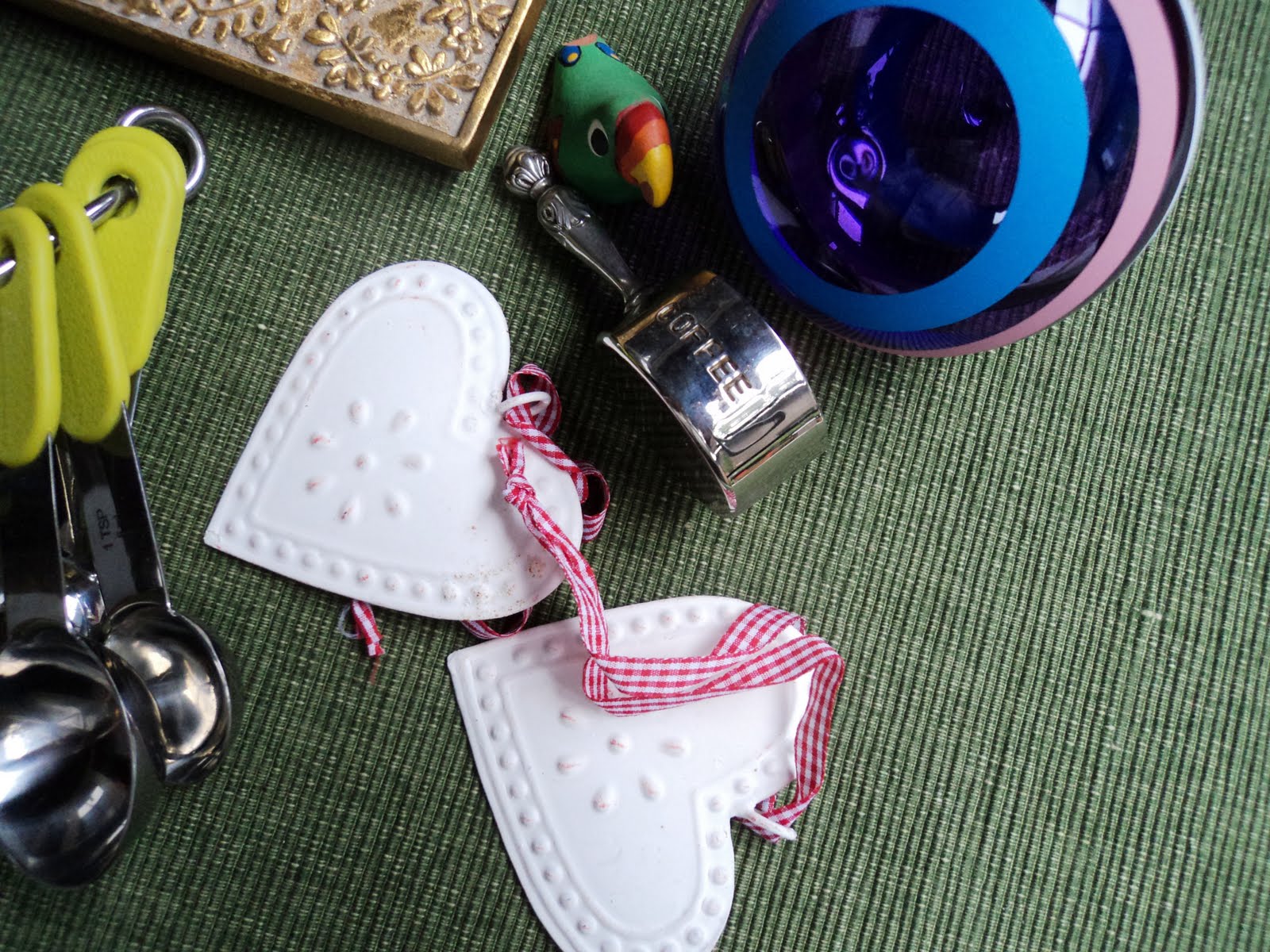
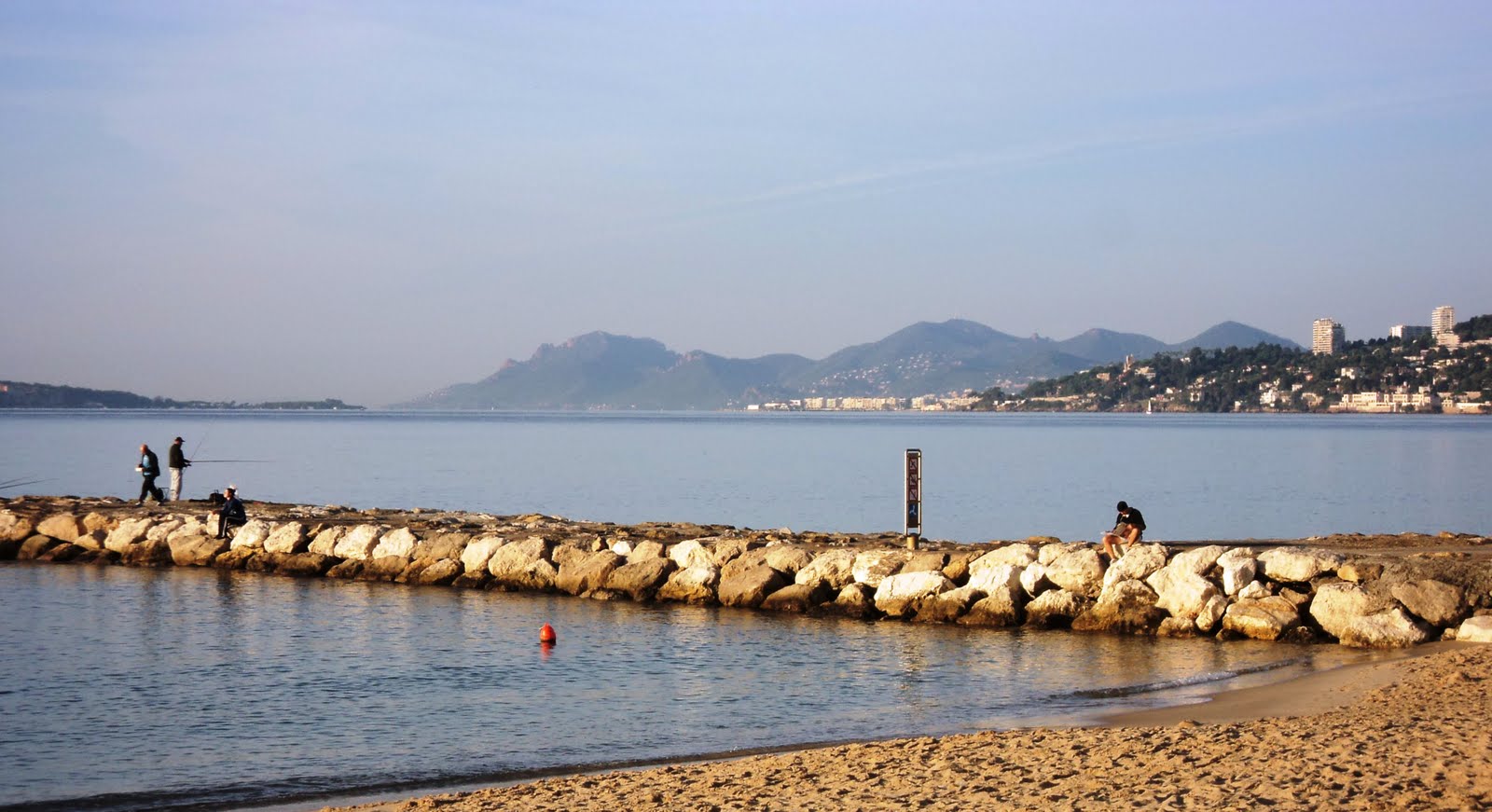
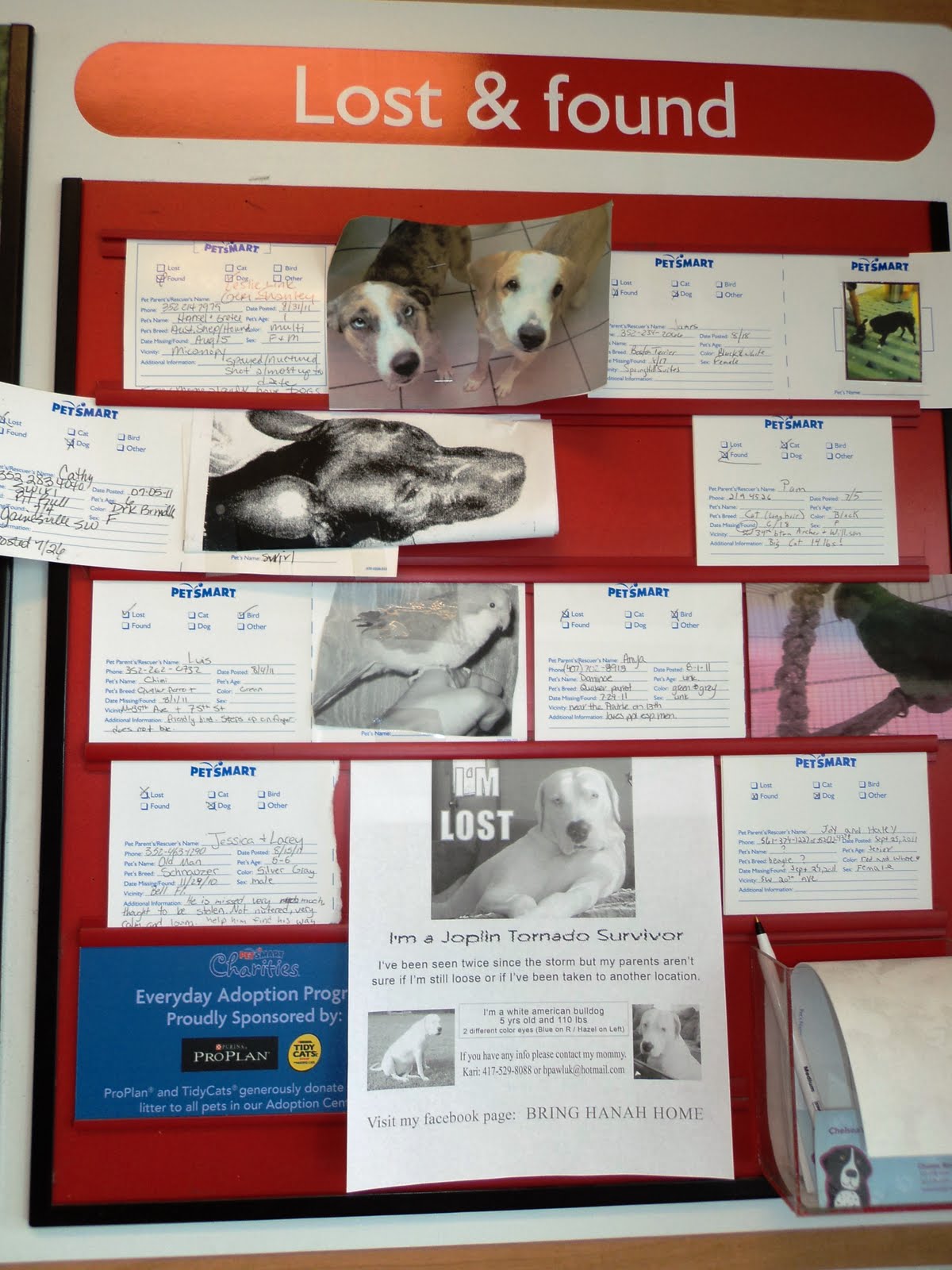
Those family Christmas traditions--some we love, and others we've modified over the years . . . .
With generations of family living in Northern Virginia, our tradition centered around copious meals and visits with grandparents, aunts and uncles and lots of cousins. We picked out a live tree every year from the family woods outside of Culpeper and made our list for Santa based on the FAO Schwarz catalog.
But families have dispersed. I now use a potted tree rather than a cut tree, which my son described as a "Charlie Brown" Christmas tree. But are we ever too old for toys?
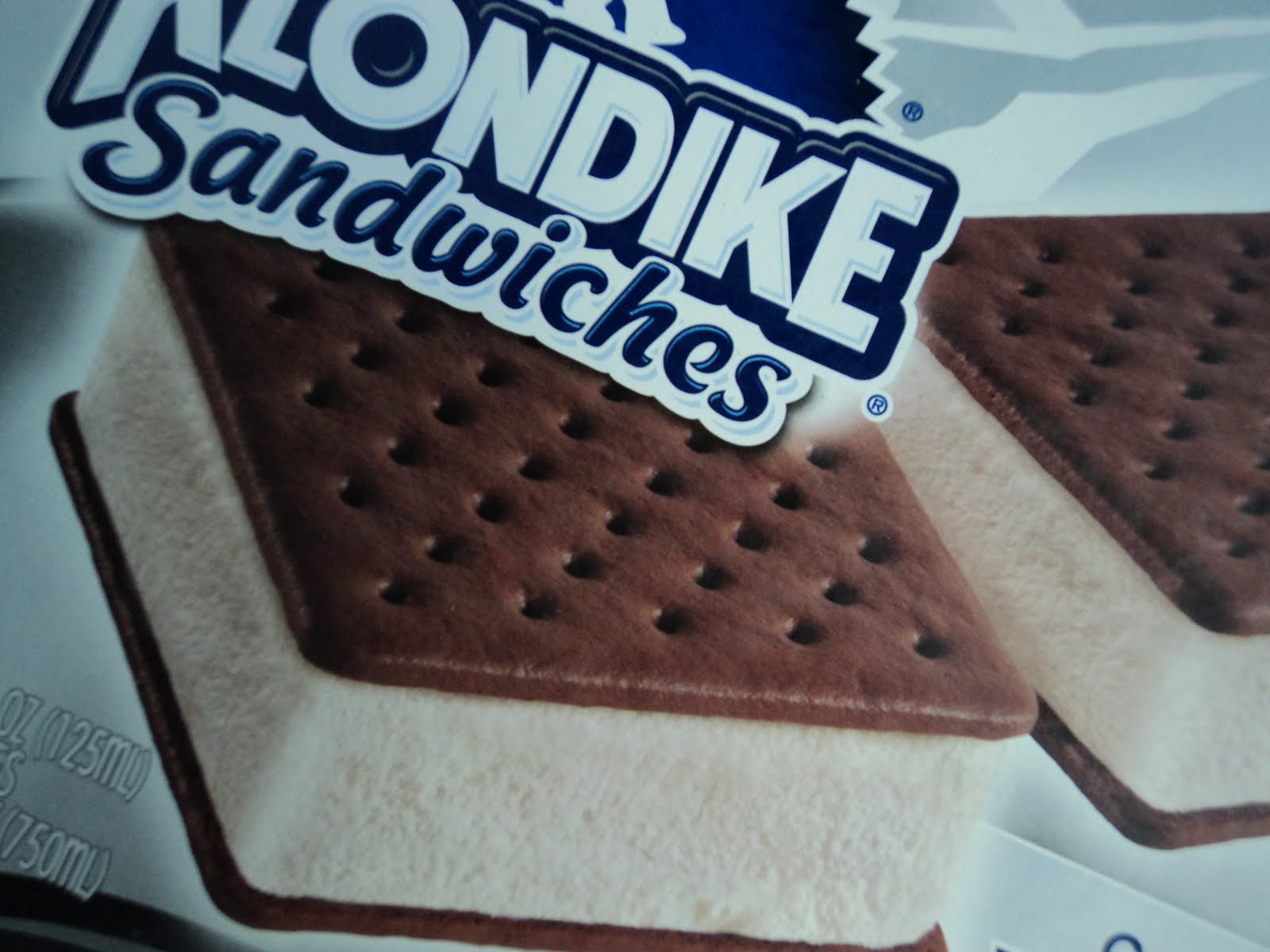
We have abandoned the Christmas morning breakfast (bacon, eggs, toast), which kept the cook in the kitchen while everyone else opened presents. Now, anything goes. Mom started the tradition of ice cream sandwiches, which seem to be popular with the kids. We have not abandoned the early morning wake-up call to open presents. My sister called at 7:15 this morning. I really think it's pay-back for all those years my kids woke her at 5 or 6 a.m. . . .
We've abandoned the tradition of copious holiday meals (turkey and ham, dressing, gravies and sauces or way too many vegetables) and hours slaving in the kitchen on Christmas Day. Now, the Christmas Eve meal is potluck (which means friends slave in the kitchen) and caters to varied tastes (vegan, vegetarian and traditional). This year, we had salmon, sweet potato enchiladas, roasted vegetables and several desserts . . . . Other years, we have had sushi.
For years, I tried to incorporate a few French traditions--a late-night meal, numerous dishes, each of which required a change of plates, numerous wines and the bûche de noël. I have abandoned fois gras because of what the goose has to endure. Given that many dishes are purchased at the French deli or bakery, these require living in France.
In terms of decor, my clay figurines (known as santons) used in Provencal nativity scenes have lost legs or heads. I do hope to start a tradition of one nice ornament each year.
I still watch my favorite Christmas specials on TV. And I usually go to the "Christmas Carol" performed at the Hippodrome. At least one actor has been in each performance for the last 34 years. Others have appeared regularly. For me, this play signals the beginning of the holiday season.
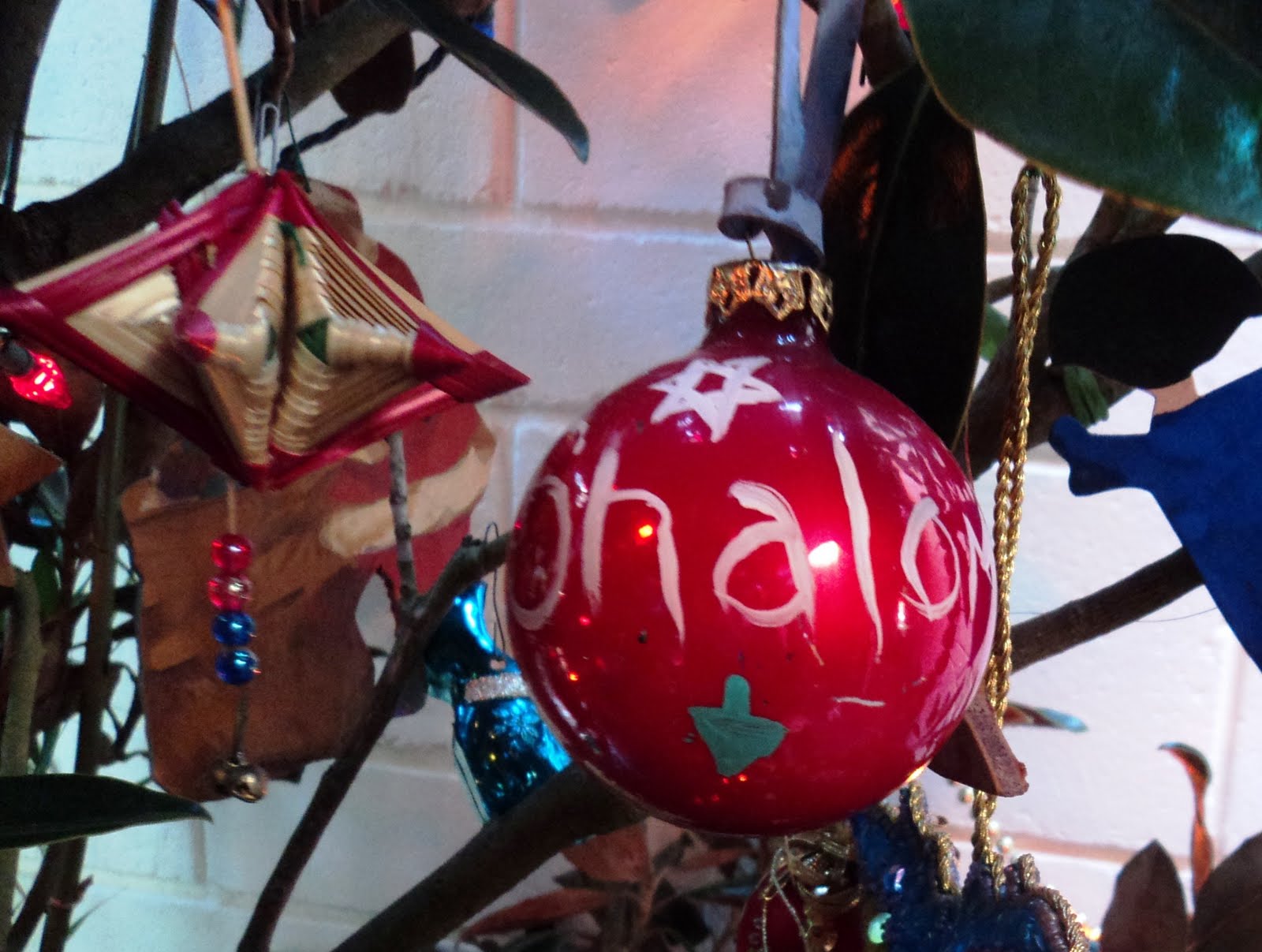
Some traditions, I hope to revive such as having friends over to paint ornaments.
Do you have old or new traditions you can share?
Monday, December 26, 2011
Monday, December 19, 2011
9 Principles. . . .of living sustainably--Florida-Friendly Landscapes
Who would have thought I would work as an information specialist in sustainable landscaping. After all, I am just as likely to use invasives as natives, and many of my plants have died. . . . But here I am, nearly 18 months later and a little more knowledgeable about plants and the connection between landscaping practices and water quality.
Too many nutrients from lawn fertilizers lead to the growth of algae and eventual death of marine life in waterways.
This combined with our excessive use of water--as much as one-third of our water use goes to residential lawn watering, particularly of plants that are not suited to the Florida environment.
The goal of sustainable landscaping (where I work) is to reduce pollution by advocating right plant, right place (principle #1). By designing a landscape addressing the other eight principles, we use less water, fertilizer and pesticides and provide a better habitat for wildlife and pollinators. By incorporating aspects of low impact development, such as with swales, berms or pervious pavers, we reduce stormwater runoff.
Right plant, right place. . . by checking our soil type and zone, even those of us who do not remember botanical names can select plants appropriate for our Florida environment.
For more information, check out Florida-Friendly Landscapes (affiliated with cooperative extension and the Florida Department of Environmental Protection). Major regional programs exist for the Great Lakes and the Chesapeake Bay.
All of us can find ways to use more sustainable practices in residential lawns. Let me know what you are doing!
Check out these links:
Florida-Friendly Landscapes - http://fyn.ifas.ufl.edu/
Chesapeake Bay - http://www.chesapeakebay.net/
Great Lakes - http://www.greatlakesforever.org/
Monday, December 12, 2011
That growing holiday angst
Excitement about the holidays is starting to grow, but so is that angst about finding the perfect gift for special friends and family. Additionally, my son and fiancée and daughter, along with her cat and boyfriend, will travel great distances to get here. That means, the gifts have to be small and fit in a suitcase. I asked my Facebook friends for advice.
My daughter suggested getting Christmas sweaters for everyone.
--Seriously? But wouldn't they be. . .too bulky (if nothing else)?
But here is what my other friends wrote.
TK - "Jars of preserves, boozy fruit (not sure about that for the suitcase), small ornaments (specific like sushi, a violin, something they like), little photo book of your favorite pictures, or chocolates.”
--Love these ideas and the boozy fruit is great for delayed flights. . . .
LJDV – “It is not easy to buy for ‘certain people.’ Scarves are always a great idea (for the certain people) that do not live in Florida :-)....if not, gift cards are also a good choice :-).”
--My son nixed the idea of gift cards. . . . Years ago he said, in all seriousness, that he wanted everyone to battle hoards of shoppers at department stores just like he would. However, if anyone is trying to find something for me, I really like the idea of a Sephora gift card. . . .
CS – “I've given away lots of frames this year.”
--And I have stacks of unframed photos. But we are not talking about me!
TB has shopped for cooking items.
--No one has enough bowls, spoons or coffee scoops. . . . . I wonder if my friends need these things as much as I do. . . .
JL – “I'm making a calendar for folks. One year I did it from the photos I took in Paris. This year, just some of my favorite sayings.”
--Wish I had talked with JL a little earlier and gotten photos of pets or drawings organized. . . . Next year!
JC - "Prints. Hee hee."
--She's laughing because she is an artist. But what a great idea--prints or photography for our small walls.
HE - "I tried to buy local, but no one would wait on me! Back to the mall! LOL"
--This is like a déjà vu when we resolve to patronize and encourage artisans, and then . . .
MRT - "Didn't you go to the mall."
--My sister blew my cover. It was an act of desperation. . . .
I am still shopping, but I’ve made pretty good headway with a few ornaments, a couple cool coffee scoops, key chains, ponytail scarves and warm shawls. But no, no Christmas sweaters unless I get one for my daughter. If she is not reading this blog, then it will be a surprise!
How is your shopping?
Note--My thanks to SL for suggesting this blog and to all my FB friends for helping.
Monday, December 5, 2011
Recycled! New dimensions of couture. . . .
Because our goal is zero waste, we recycle as much as possible—glass bottles, plastics, paper products. But not pizza boxes because of the grease. Many of these products are transformed into something new—office paper, fence posts or benches, martini glasses or jewelry. Fashion seems to be a more recent outlet.
Couture, often a symbol of extravagance, seems synonymous with unaffordable (and sometimes uncomfortable) garments of expensive materials shown on the runway. In contrast, the Recycle Runway Collection of eco-couture focuses clothing made from recycled products.
The Atlanta airport’s International Concourse E showcases fashion by Nancy Judd, a Santa Fe (New Mexico) artist and educator. Here, we learn about the transformation of waste--glass, aluminum cans and even cassette tapes—into something beautiful. Take this evening gown, which required 12,000 pieces of recycled glass and 400 hours to create. The origami gown is made of junk mail shaped like small fans.
The Florida Museum of Natural History (Gainesville, Fla.) is hosting the 13th Annual “Trashformations” (through Dec. 4, 2011) as a means of encouraging the use of recycled materials into works of art. A dog-like figure is made of aluminum cans, a whale out of plastic bags, a heart and dresses from Target bags as well as newspapers, coffee filters and cupcake papers.
All entries are composted of at least 70 percent recycled materials. Surprisingly, in this university town, no one tried to make anything out of a clean pizza box.
The Hartsfield-Jackson Atlanta International Airport Exhibit, presented by the City of Atlanta Department of Aviation Art Program, runs through April 2012.
For more information, visit http://www.atlanta-airport.com/passenger/art%20program/frmPassengerInformation_ArtProgram_ConcourseE.aspx
Monday, November 28, 2011
Bring Back the Seasons. . .
I went through Schiphol Airport (Amsterdam) on Nov. 12. The place had a distinctive Christmas feel. Garlands, trees and ornaments decorated the ceilings and walls. Back in the States, grocery stores had replaced bags of candy corn with red and green M&Ms . . . .
Thanksgiving has never had the commercial appeal of Halloween and certainly cannot compete with Christmas. Increasingly, Thanksgiving has been rebranded by media and merchants as the eve of Black Friday!
“Black Friday Madness Sweeps Across the Country” – NPR
“Black Friday Shoppers Fan Out in the Night” – New York Times
“Earlier Black Friday Openings Draw Crowds” – Wall Street Journal
With these headlines and images of people waiting in long lines, the rest of us undergo a guilt trip. Everyone is out shopping. Maybe we should be too.
Thanksgiving has been holiday of intense travel so people could spend time with families. But merchants are trying to ensure 100 percent participation. That even the Occupy groups give up their protest for 24 hours.
The new opening hours (some at 9 p.m. Thanksgiving evening) enable people can get up from the family dinner, wave bye to all the aunts and uncles they haven’t seen for the past year and now travel to the shopping center to join the lines forming for that flat-screen TV or Blu-Ray Player.
This year, Black Friday started on what has been traditionally known as Thanksgiving Thursday. For those who missed out on this event, Cyber Monday is starting early too. . . .
Monday, November 21, 2011
Fewer Places to Light Up
The 36th Annual Great American Smokeout (Nov. 17, 2011) targeted more than 45-million smokers in the United States and encouraged them to quit.
I must have been about 9 or 10 when I found an unattended cigarette in an ashtray at one of our family dinners. I took it outside, pretended to be glamorous when I smoked that cigarette. After all, advertising gave smoking a certain allure. But I had a sore throat for days afterwards, and I couldn’t tell anyone why.
I soon experienced the dangers first hand when I lost my grandfather to lung cancer and a few months later my grandmother to emphysema.
Today, anti-smoking campaigns continue to intensify--smoking is prohibited in enclosed spaces and now many public areas and on some university campuses.
The European Commission has called for a smoke-free Europe by 2012. And by the fall of 2012, the US will join other nations in mandating that cigarette packages carry graphic warnings about the dangers. If smokers get past the sore throat, will these images serve to deter?
Monday, November 14, 2011
Detours and Open-toe shoes
I traveled from Florida with my shoes—all open toed—which is fine for most days in the Sunshine State but not practical for rain and chilly weather in Juan-les-Pins. I planned to buy new shoes in Cannes, but the G-20 followed by rains and flooding delayed shopping.
Bijou Plage - Nov. 5, 2011 - Brewing storm
Anyway, weather conditions meant our thoughts shifted from shopping to the more pragmatic tasks of emptying buckets under leaking roofs.
Just when we assumed the rains had passed, the waves began to lash at the coast, carrying off much of the sand on narrow beaches (the last big waves were in May 2010).
The beaches look like this in summer months.
July 2011 - Plage de la Salis (Antibes)
After the violent waves, they looked like this.
After the storm - Plage la Salis (Nov. 12, 2011)
Flooding closed down the seaside roads and the N-7, which runs parallel. Detour signs took us back inland, where cars and trucks had run off the road due to flooding. Traffic problems meant the usual 20-minute commute turned into one of three hours.
Detour signs appeared on coastal and inland roads.
Sun and people return to the boardwalk (Nov. 9, 2011)
With the return of beautiful weather, everyone returned to the boardwalks to assess the damage, commenting, “La mer a bouffée la plage” (the sea gobbled up the beach). Trees and logs washed up on Antibes beaches, and seaweed covered those at Juan-les-Pins. Rocks, gravel and dirt littered inland roads.
Once the storms subsided and the detour signs disappeared, I went to Cannes for more practical, closed-toe shoes. . . .
For vivid photos of the storm (I was either mopping up or keeping shutters closed), please visit the Nice Matin, http://www.nicematin.com/diaporama/coup-de-mer-sur-la-cote-dazur-les-images?idx=1#top-diapo.
Bijou Plage - Nov. 5, 2011 - Brewing storm
Anyway, weather conditions meant our thoughts shifted from shopping to the more pragmatic tasks of emptying buckets under leaking roofs.
Just when we assumed the rains had passed, the waves began to lash at the coast, carrying off much of the sand on narrow beaches (the last big waves were in May 2010).
The beaches look like this in summer months.
July 2011 - Plage de la Salis (Antibes)
After the violent waves, they looked like this.
After the storm - Plage la Salis (Nov. 12, 2011)
Flooding closed down the seaside roads and the N-7, which runs parallel. Detour signs took us back inland, where cars and trucks had run off the road due to flooding. Traffic problems meant the usual 20-minute commute turned into one of three hours.
Detour signs appeared on coastal and inland roads.
Sun and people return to the boardwalk (Nov. 9, 2011)
With the return of beautiful weather, everyone returned to the boardwalks to assess the damage, commenting, “La mer a bouffée la plage” (the sea gobbled up the beach). Trees and logs washed up on Antibes beaches, and seaweed covered those at Juan-les-Pins. Rocks, gravel and dirt littered inland roads.
Once the storms subsided and the detour signs disappeared, I went to Cannes for more practical, closed-toe shoes. . . .
For vivid photos of the storm (I was either mopping up or keeping shutters closed), please visit the Nice Matin, http://www.nicematin.com/diaporama/coup-de-mer-sur-la-cote-dazur-les-images?idx=1#top-diapo.
Monday, November 7, 2011
The G-20 and the rest of us
JUAN-LES-PINS--For the past week, everyone has been preoccupied with the G-20. Not because of our knowledge of the world monetary crisis but because of an additional 12,000 armed security forces on street corners, intersections and just about anywhere between Cannes, Nice and Grasse. More than 5,000 dignitaries and 3,500 journalists arrived for the two-day meeting. The hotel industry, in off-season, had the equivalent of 35,000 nights. The price tag—20-million euros--apparently falls upon taxpayers.
For most people, Cannes became an “occupied” city. Residents and workers had to have a badge to enter. Many shops and companies closed because employees and clients could not get in. Fishermen received compensation not to go out. And there were two submarines nearby. . . .
No one wanted to attract attention! We were on the “qui vive”—carrying our identity papers and following the code de la route (it’s very detailed in France) to the letter. We avoided locations where security forces had gathered . . . . But then we needed gas.
We pulled into a service station where gendarmes chatted beside the only island of working gas pumps. My debit card did not work. We backed and maneuvered to another pump. The hose did not reach the far side the of car. Could we ask the gendarmes to move over?
“What’s the matter—your bank card is not cooperating?” they commented, laughing.
I guess they understood we were pretty nervous. During the G-20, no one checked our papers, but we did encounter traffic jams due to road closures.
Things should return to normal this week. And we will debate impact of the G-20 on daily lives and the economic effect of closing down and securing a major city rather than holding the event on a military base . . .
Monday, October 31, 2011
A Lazy Sunday in Juan-les-Pins
The summer tourists have left Juan-les-Pins, but beautiful weather has kept crowds coming to this beachside resort.
I have returned to work on a family project. And Sunday evening I went by the Crystal, my favorite cafe, to have a kir and watch people.
My day started early--around 8 a.m. with a 20-minute walk from Juan-les-Pins along the N-7 to the old Antibes market, which presents a unique sensory experience. Colors and smells of flowers, spices and olives, sausages, fish, meats and cheese, wines as well as small packets of Provencal herbs and lavender.
Chrysanthemums are put on tombs for All Saints' Day (Nov. 1), which is a holiday. I always run in the absinthe store and a few small boutiques.
I leave the market, wander narrow streets and then follow the ramparts where cars and cyclists whiz by.
The Plage de la Salis is one of my favorite beaches because of the view--the old city of Antibes with the alps in the background and parasol pines of the Cape d'Antibes.
Cyclists continue along the Cap d'Antibes, but I take the Chemin des Sables, which cuts across the Cape, to Juan-les-Pins. It's nearly 10:30 a.m. and I need to run by a grocery store for the things I did not want to carry on my walk. Stores are open only Sunday morning and then reopen on Monday.
Everything has been within walking distance.
There's always something special about a lazy Sunday with no real schedule.
On another note, I am sure the people in Cannes preparing for the G-20 Summit, would have loved a lazy Sunday. . . .
I have returned to work on a family project. And Sunday evening I went by the Crystal, my favorite cafe, to have a kir and watch people.
My day started early--around 8 a.m. with a 20-minute walk from Juan-les-Pins along the N-7 to the old Antibes market, which presents a unique sensory experience. Colors and smells of flowers, spices and olives, sausages, fish, meats and cheese, wines as well as small packets of Provencal herbs and lavender.
Chrysanthemums are put on tombs for All Saints' Day (Nov. 1), which is a holiday. I always run in the absinthe store and a few small boutiques.
I leave the market, wander narrow streets and then follow the ramparts where cars and cyclists whiz by.
The Plage de la Salis is one of my favorite beaches because of the view--the old city of Antibes with the alps in the background and parasol pines of the Cape d'Antibes.
Cyclists continue along the Cap d'Antibes, but I take the Chemin des Sables, which cuts across the Cape, to Juan-les-Pins. It's nearly 10:30 a.m. and I need to run by a grocery store for the things I did not want to carry on my walk. Stores are open only Sunday morning and then reopen on Monday.
Everything has been within walking distance.
There's always something special about a lazy Sunday with no real schedule.
On another note, I am sure the people in Cannes preparing for the G-20 Summit, would have loved a lazy Sunday. . . .
Monday, October 24, 2011
Trees for all (French) seasons
Trees bordering the road from Opio to Valbonne (April)
Trees near Pre-du-Lac (Grasse region, November)
The French had a great idea—tree-lined roads to shade travelers, mark property lines and provide guideposts. I thought this innovation dated from the time of Napoleon. But apparently, Henri II signed an edict in 1522. He was ahead of his time.
But with urbanization, increasing traffic and larger cars, I'm not how long these scenes will remain.
Town squares often have sycamore, with scaled, spotted bark. They are trimmed in January, and for months their branches look gnarled and arthritic until the leaves return in late spring.
Magagnosc, just east of Grasse, overlooks the Mediterreanean
The French Riviera, with its micro-climates, has palms and citrus inland as far as Grasse. Although the region looks very tropical, the temperatures may drop below freezing in winter nights, and the bone-chilling Mistral wind whips through the area. But clothes dry quickly on outdoor lines. . . . Unless they have blown away.
The Fragonard Museum, which contains works by artist Jean-Honoré Fragonard, is in the old city.
An older residence in Vallauris, a region made famous by Picasso, with citrus and palms.
Parasol pines provide a canopy of shade over the boules area, overlooking the Mediterranean
The unique trees make the region. And I may take up boules just to have an excuse to spend my days under these parasol pines.
Saturday, October 15, 2011
Taking Olives to the Mill. . . .
An olive tree in front of a mas (farmhouse) near Grasse, France
The season to harvest olives and take them to the mill is nearing. It's something I always planned to do. After all, we lived on a parcel of land with more than 40 olive trees. Two majestic trees stood in front of the house, and the top windows looked right into those silver-gray leaves.
We hired a gardener to help us revive the trees. He wanted to cut back those two majestic trees, claiming it would enable us to harvest olives. We refused.
On small plots of land bordering winding roads between Valbonne, Opio and Grasse, plastic nets are spread on the ground to catch the small, dark olives as they fall. Most friends cured the olives in brine. For those who had the quantity of olives needed to be pressed to oil, the mill generally took a percentage of the oil as payment.
I always planned to gather olives and take them to the mill. But I never had the quantity needed (not to mention the nets or time). Now, more than 20 years have passed. . . . I no longer have 40 olive trees but a small olive tree growing in a pot.
The vendor thought the tree would produce in the next four years. . . .Certainly not enough for a bottle of oil but maybe a few olives I could serve guests.
Monday, October 10, 2011
Lost! Last seen at. . . .
My dog Pink became a member of the household when she was 2. She had a few bad habits—getting lost, fearing hunting guns and eating pastry. Actually, that’s why her former owner gave her to me.
We didn’t hunt and didn’t cater, and I had a fenced yard, but she managed to wander off. My new neighbors called, “We have your dog. Is she dangerous?” Humm, “Only if you have pastry.”
My sister’s greyhound left her fenced yard and tracked my sister to the voting precinct and was later found near the law school. Another neighbor moved across town, but Buster the Cat didn’t want to move. By the time he made his fifth trek across town (4.5 miles) to return to his former haunts, his owners agreed--Buster was happier in his old neighborhood where he now lives.
Some lost pets like Sassafras the beagle receive national attention (at least, his story was carried in the Washington Post). Others are featured on utility poles. In my Duck Pond neighborhood, there’s Annebell, a white Maltese, and Jack, a happy-looking, black dog, and an assortment of cats. . . . They are still lost.
Many of our pets have tattoos or microchips, or at the very least, tags with a current address. But not always. I found a greyhound wandering a beachside community after a 2004 hurricane. The dog had tags from a North Carolina shelter. The local police and vet helped me locate the owner. Apparently, Rico was a repeat offender.
Our pets are always happy to return home. But they don’t say much about their adventures.
BTW—if you happen to see Annebell or Jack, please tell them their owners are worried.
Monday, October 3, 2011
A Tip--How to Move into an Office, or Make Room for the Singing Hamster
We all know to make our demands before we sign the contract for a new job. A private office. A window. A computer with two monitors. Those demands were met. But I should have made one additional request--empty shelves and cleared floor space.
When I was a teaching assistant in graduate school, we handed out hard copies of syllabi and made transparencies for the overhead projector. We entered the classroom with a sagging briefcase, overflowing with papers and worn books. I could identify with the ghost of Jacob Marley, Scrooge’s business associate, condemned to carrying chains wherever he went.
Nowdays, we carry a wealth of information (presentations, articles, music, photos) on our USB keys. I don’t even have a briefcase.
When I moved to my current office in 2010, I had few books, a handful of memory sticks, three coffee cups (you never know) and a singing hamster (a gift from my kids).
The former office resident, now retired, left me a career’s worth of slide carousels, an overhead projector and transparencies, file cabinets crammed with articles and manuscripts and course syllabi. Because office space is tight, and I could use some shelf space, my supervisor asked the retired professor to please move or discard his materials.
One day, he dropped by, glanced about. Obviously, horrified at the walls of slide carousels , specialized dictionaries and yellowing course outlines, he only grabbed a framed photo of his wife and has not been seen since.
Who can blame him! So my tip--before you sign the contract, request an empty office to make room for the singing hamster. . .
What are your tips for moving into a new office or taking a job?
Subscribe to:
Comments (Atom)